


Today’s Dietitian
Vol. 28 No. 4 P. 48
Pasta is undergoing one of the most significant reinventions in its centuries-long history. At a time when protein is a top purchase driver and refined grains are practically kicked off the updated food pyramid, pasta is being reformulated to deliver more protein, fiber, and even functional ingredients.
From chickpea spirals and lupini bean penne to high-protein ramen and omega-3 spaghetti, the next generation of pasta is adding nutrition benefits without sacrificing familiarity or culinary appeal.
Jackie Topol, MS, RDN, cofounder of the Culinary Nutrition Collaborative, says many of these alternative pastas tend to produce a more gradual rise in blood sugar compared with refined pasta—largely due to their higher protein and fiber content. Studies have documented the improved glycemic response of legume-based pastas.1 Cooling and reheating chickpea pasta can further reduce postmeal blood glucose levels.2
Many varieties are gluten-free, expanding accessibility for people with celiac disease or gluten sensitivity. The higher protein also supports satiety. Research has shown that lentil-based pasta increased feelings of fullness and decreased subsequent food intake compared with traditional pasta.3
While the higher protein and fiber may be beneficial attributes, the nutritional profile of these pastas varies widely by brand and ingredient. Texture is another factor worth flagging for clients.
“From a culinary perspective, texture matters, so it may take some trial and error to find a brand you enjoy,” Topol says. “I’ve found that some red lentil pastas can become quite soft or gummy, whereas blended varieties with legumes often have a more familiar pastalike texture.”
The New Pasta Aisle
The most crowded corner of the next-gen pasta market is undeniably high protein. Legume-based pastas made from chickpeas, lentils, black beans, and edamame have matured into mainstream supermarket staples. Emerging proteins include lupini, pea, and fava beans, while other varieties turn to egg whites or whey as a protein source.
High-protein pastas typically deliver 10 to 24 g of protein per 2-oz serving, compared with 7 to 8 g for standard durum wheat semolina pasta. Keep in mind that many pasta brands list two different serving sizes on the nutrition facts panel: 2-oz (56 g) and 3.5-oz (100 g).
Many brands prominently feature grams of protein on the front of the package, but the numbers are typically based on the larger serving size—instead of the standard 2-oz dry, or about one cup cooked pasta. Some even tout the grams of protein for the entire box. Beyond protein, pastas are also being fortified with omega-3s—typically from flaxseed-derived alpha-linolenic acid, such as Hy-Vee’s Omega-3 multigrain spaghetti. Other pastas like kid-friendly Goodles contain vegetable powders from broccoli, spinach, kale, pumpkin, and sweet potato to signal health and deliver modest nutrients.
Additional pasta brands have capitalized on the gut health buzz by incorporating prebiotic fibers, such as inulin or chicory root. Others use resistant wheat starch, including Hero Noodles that contain 32 g of fiber per 2-oz serving.
Brands Leading the Reinvention
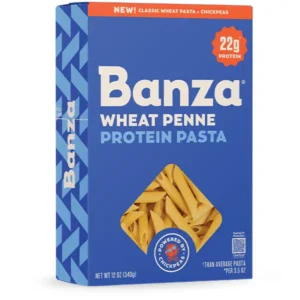
• Banza helped legume-based pasta become mainstream with its chickpea penne, shells, and mac & cheese. The brand’s latest innovation is chickpea and wheat blended pasta, providing 13 g of protein and 4 g of fiber per 2-oz serving. This hybrid approach offers a more familiar pasta taste and texture.
• Barilla Protein+ signals how legacy brands are responding to the protein moment. Using blends of wheat and plant proteins such as lentil and pea, it maintains the familiar taste and texture that consumers expect, while delivering a modest protein increase over traditional pasta. The protein content is on the lower end of legume-based pastas at 10 g per 2-oz serving, but a significant bump from traditional formulations.
• Garofalo is an Italian brand that makes a high-protein pasta crafted with Altograno®, their signature flour enriched with defatted wheat germ—containing 11 g of protein and 7 g of fiber per 2-oz serving.
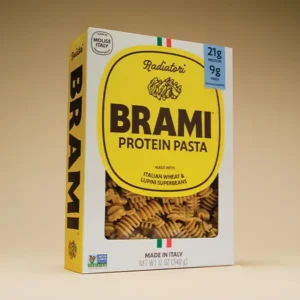
• Brami introduced a similar high-protein blended pasta, combining durum wheat with lupini beans. This Italian brand uses a traditional bronze-cut method that improves sauce adhesion. Each 2-oz serving provides 12 g of protein.
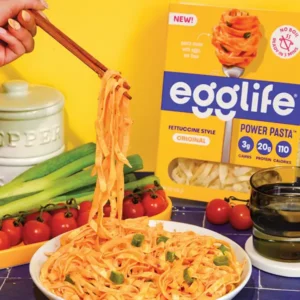
• Egglife Foods takes a different approach, using egg whites as the protein base for its higher-protein fettuccine-style pastas. Available in roasted garlic, sundried tomato, spicy chili, and original, each 1-cup serving contains 20 g of protein and only 3 total carbohydrates—about twice the protein and 90% fewer carbohydrates than traditional refrigerated pastas.
• Explore Cuisine focuses on single-ingredient pastas, including edamame, black bean, red lentils, and mung bean versions. The edamame and mung bean fettuccine delivers 24 g of protein per serving, making it one of the highest-protein options in the category.
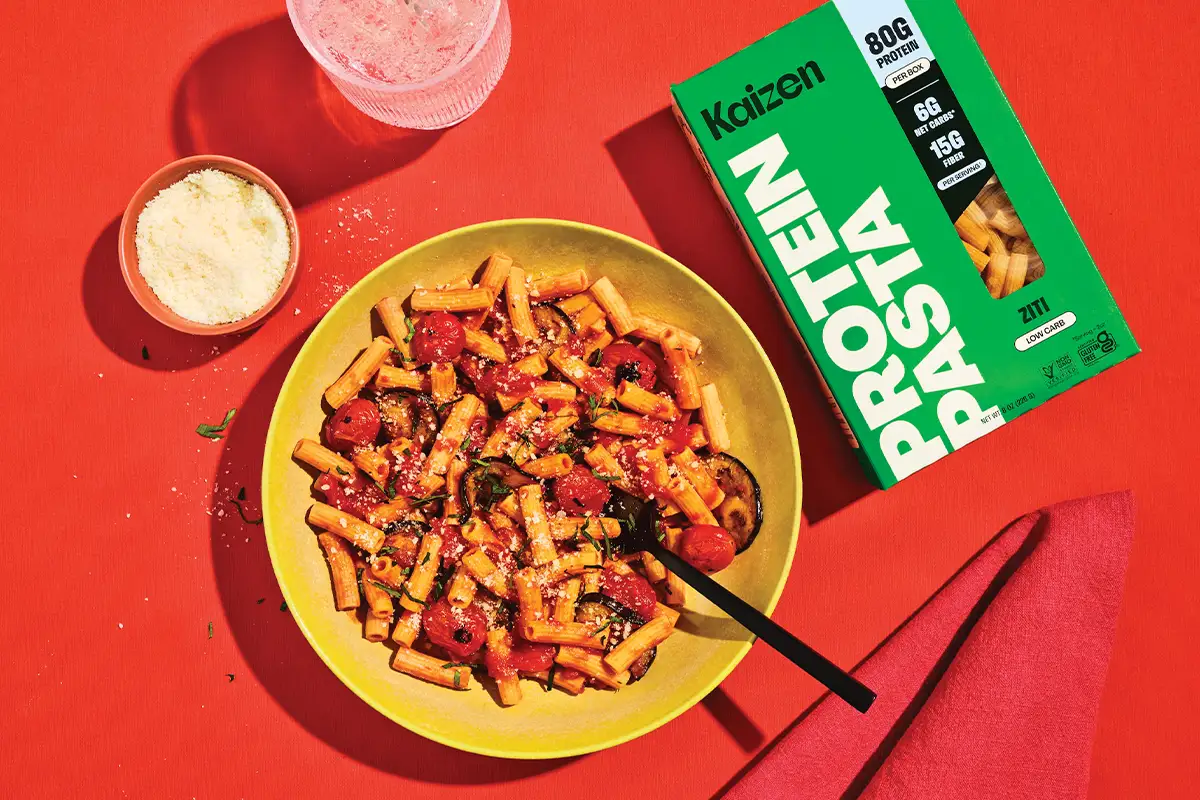
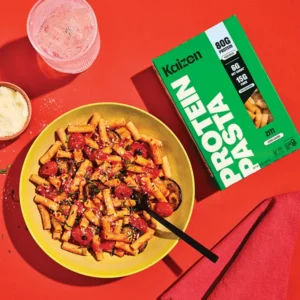
• Kaizen uses lupini and fava beans for a high-protein, low-carb pasta that contains 20 g of protein and 15 g of fiber per 2-oz serving. Varieties include fusilli, ziti, radiatori, cavatappi, and mac & cheese.
• 3 Farm Daughters is made with a type of wheat that has more fiber and resistant starch than traditional pasta, containing 8 g of protein and 9 g of prebiotic fiber per 2-oz serving. The company is owned by three sisters who grew up on their family’s farm.
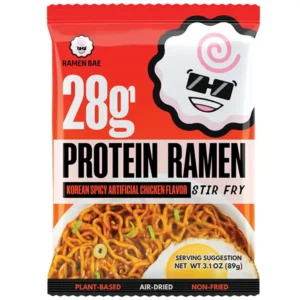
• Ramen Bae and Immi are bringing protein renovation to ramen. Both brands of high-protein ramen are made with wheat noodles and pea protein, delivering up to 28 g of protein per serving. Ramen Bae also offers a line of dried ramen toppings to spice up your bowl and boost protein even more.
The Bottom Line
Next-generation pasta may offer some nutritional upgrades—particularly for clients prioritizing protein, managing blood sugar, or avoiding gluten. Helping clients read labels, consider portion sizes, and adjust to the change of texture will determine whether these products have staying power.
Traditional pasta continues to have a place at the table, although these newer varieties expand the options for people who are looking to shake things up.
— Janet Helm, MS, RDN, is the founder of Food at the Helm, a strategy and communications consultancy focused on food brands.
References
1. Winham DM, Thompson SV, Heer MM, et al. Black bean pasta meals with varying protein concentrations reduce postprandial glycemia and insulinemia similarly compared to white bread control in adults. Foods. 2022;11(11):1652.
2. Bojarczuk A, Kęszycka P, Marszałek K, Gajewska D. The effect of cooking and cooling chickpea pasta on resistant starch content, glycemic response, and glycemic index in healthy adults. Metabolites. 2024;14(11):585.
3. Cioffi I, Martini D, Del Bo’ C, et al. Lentils based pasta affect satiation, satiety and food intake in healthy volunteers. Curr Res Food Sci. 2024;9:100858.