


Today’s Dietitian
Vol. 28 No. 5 P. 34
The brain and nervous system depend heavily on specific nutrients, making nutrition a foundational pillar of recovery from neurological injury. Following a concussion or mild traumatic brain injury (mTBI), the injured brain enters a state of metabolic crisis, in which adequate nutritional support can mean the difference between timely recovery and prolonged dysfunction.
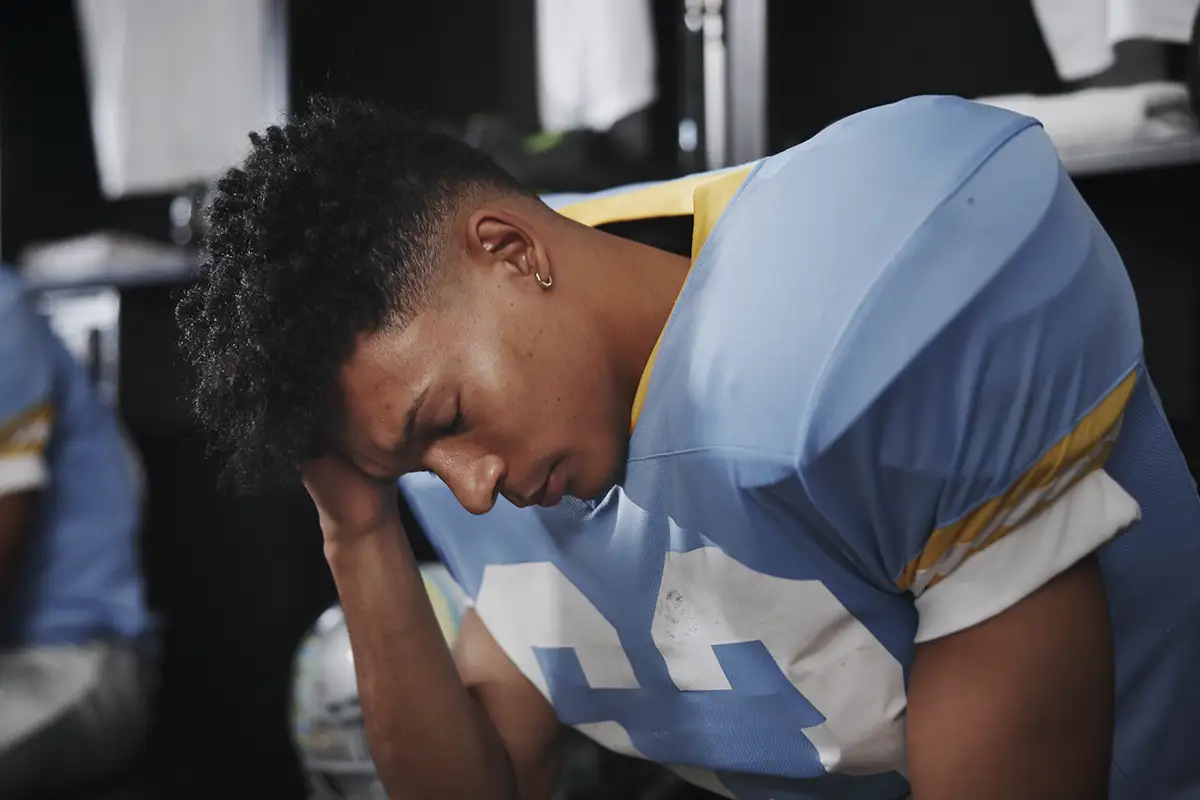
Concussions are alarmingly prevalent in high-risk environments: in the United States alone, an estimated 1.6 to 3.8 million sport-related concussions occur each year, with contact sports such as football, ice hockey, soccer, and rugby carrying the highest incidence rates.1 Tactical populations, including military personnel, law enforcement, and first responders, face similarly elevated risk due to blast exposure, physical training demands, and occupational hazards that frequently result in mTBI.2 The consequences of concussion extend well beyond the acute phase, with many individuals experiencing persistent impairments in memory, attention, processing speed, executive function, and emotional regulation that significantly disrupt daily performance and quality of life. Emerging research also links repeated mTBI exposure to long-term neurological conditions, underscoring the urgency of early and comprehensive intervention strategies.
Despite this, nutrition is often overlooked in standard concussion management protocols, leaving a critical gap in care that evidence-based dietary intervention can help to fill. Sports dietitians are uniquely positioned to bridge this gap, applying their expertise in physiology, biochemistry, and individualized dietary planning to support neuroprotection and accelerate recovery. By targeting key mechanisms, such as neuroinflammation, oxidative stress, mitochondrial dysfunction, and neurotransmitter synthesis, sports dietitians can design targeted nutrition protocols that address the specific metabolic demands of the injured brain. This article explores the current evidence surrounding nutrition and concussion recovery and outlines the essential role sports dietitians play in optimizing outcomes for athletes and tactical professionals alike.
Understanding the Nutritional Needs of mTBI Patients
Following a mild traumatic brain injury, the body undergoes a cascade of physiological changes that significantly alter its nutritional requirements. Neuroinflammation arises as immune cells in the brain become activated and release proinflammatory cytokines, while oxidative stress intensifies as reactive oxygen species can accumulate beyond the brain’s antioxidant capacity. Simultaneously, metabolic demand surges as the injured brain requires substantially more energy to repair damaged structures and synthesize neurotransmitters. This period is known as the neurometabolic cascade.3 These disruptions extend systemically: energy regulation is impaired through hormonal dysregulation, and the gutbrain axis is destabilized, compromising nutrient absorption and gut barrier integrity precisely when the body needs nutritional support most.
The cognitive and neuromuscular consequences of mTBI further compound these challenges. Brain fog, short-term memory deficits, slowed processing, and mood instability, including depression and anxiety, reflect disrupted neurotransmitter signaling and hippocampal vulnerability to excitotoxicity (damage or destruction of neurons by overstimulation from excitatory neurotransmitters, primarily glutamate). Neuromuscular impairments, including coordination difficulties, fatigue-related muscle weakness, and reduced proprioception, restrict physical activity and rehabilitation progress. Adequate nutritional support for both the nervous system and musculoskeletal system is therefore essential to achieving a comprehensive recovery.4
Key Nutrients for mTBI Recovery
Omega-3 Fatty Acids (DHA & EPA)
Docosahexaenoic acid (DHA) and eicosapentaenoic acid (EPA) are among the most well-supported nutrients in mTBI recovery. DHA constitutes a substantial portion of the brain’s structural lipids and is metabolized postinjury to produce resolvins and neuroprotectins, bioactive lipid mediators that actively resolve neuroinflammation and protect neurons from apoptotic death. EPA complements DHA’s anti-inflammatory effects through its own eicosanoid-modulating actions, and together they dampen the chronic neuroinflammatory state that can persist well beyond the acute injury phase. Emerging research further suggests that omega-3 supplementation supports synaptic plasticity, the brain’s capacity to reorganize and strengthen neural connections, which is fundamental to both cognitive recovery and learning during rehabilitation, and may reduce the long-term risk of cognitive decline.5 Rich dietary sources of DHA and EPA include fatty cold-water fish (salmon, mackerel, sardines, anchovies), ideally consumed two or more times per week. Plant-based alternatives such as walnuts, flaxseeds, and chia seeds provide alpha-linolenic acid (ALA), though its conversion to DHA and EPA is relatively inefficient. Supplementation with 2 to 4 g of combined DHA and EPA per day using high-quality, third-party-tested fish oil or algae-based capsules is appropriate during recovery and should be discussed with a health care provider.6
Antioxidants & Polyphenols
Dietary antioxidants are essential for neutralizing the reactive oxygen species that are present in the postinjury neurochemical environment. Polyphenol-rich foods provide particularly potent and diverse protection: blueberries and other berries supply anthocyanins that can reduce hippocampal inflammation and support memory function; dark chocolate (70%+ cocoa) contains flavanols that can promote cerebral blood flow and brain-derived neurotrophic factor (BDNF) activity; green tea provides epigallocatechin gallate (EGCG) with some neuroprotective, blood-brain-barrier-crossing properties; and turmeric’s active compound curcumin inhibits a key driver of neuroinflammatory signaling.7-10 These foods could be consumed consistently as dietary staples rather than occasional additions and could be considered in an mTBI recovery nutrition strategy.
Protein & Amino Acids
Adequate protein intake is critical during mTBI recovery for both neuroprotective and musculoskeletal reasons. Amino acids are required for neurotransmitter synthesis, axonal repair, and the enzymatic processes governing brain function, while protein also preserves lean muscle mass against the catabolic pressure of injury-related inflammation and inactivity. General recommendations range from 1.2 to 2 g/kg of body weight per day, with higher amounts potentially warranted for athletes or individuals with significant physical deconditioning. High-quality sources include lean meats, poultry, fish, eggs, dairy, legumes, tofu, tempeh, and edamame. Among specific amino acids, leucine is the primary driver of muscle protein synthesis and should be prioritized in meals containing 25 to 40 g of protein to maximize the anabolic signal during the often-sedentary recovery period. Glutamine supports intestinal barrier integrity, serves as the preferred fuel for enterocytes, and becomes conditionally essential under physiological stress, making it particularly relevant given the gut-brain disruptions common in mTBI.11
B Vitamins
The B vitamins collectively support the neurochemical and metabolic processes central to recovery. Vitamin B6 is a cofactor for serotonin, dopamine, GABA, and norepinephrine synthesis.12 Vitamin B12 is essential for myelin sheath maintenance and the methylation cycle, while folate works in concert with B12 to prevent homocysteine accumulation, a neurotoxic byproduct implicated in neurodegeneration.13 Thiamine is an obligate cofactor for cerebral glucose metabolism, and its deficiency can cause severe neurological impairment, particularly in populations with poor dietary intake or elevated metabolic demand.14 Vegetarians, vegans, and those on B12-depleting medications may require targeted supplementation.
Vitamin D
Vitamin D receptors are widely expressed throughout the brain, including in the hippocampus and prefrontal cortex, where they support nerve growth factor production, reduce neuroinflammation, and modulate central immune activity. Deficiency is common in northern latitudes and individuals with limited sun exposure and is associated with increased depression, cognitive decline, and poorer neurological recovery outcomes.4
Magnesium
Magnesium plays a complementary and critical role: intracellular magnesium levels drop sharply following TBI, contributing to calcium influx, glutamate excitotoxicity, and impaired cellular energy production. Restoring magnesium through dietary sources or highly bioavailable supplemental forms such as magnesium glycinate or threonate supports neuroprotection, neuromuscular function, and the anxiety and sleep disturbances that frequently accompany mTBI.4,15
Creatine & Brain Energy
Creatine has emerged as one of the most promising nutritional substances for mTBI recovery. In the brain, it functions as a critical ATP buffer through the phosphocreatine-creatine kinase system, helping to improve neural energy reserves during the acute metabolic crisis. A key review by Dean et al. demonstrates improvements in cognitive outcomes in both animal models of TBI and early human studies.16 Beyond acute recovery, evidence indicates that regular creatine supplementation increases the brain’s resilience to injury by maintaining elevated phosphocreatine stores, reducing lesion volume, and limiting mitochondrial dysfunction after experimental TBI.17 This finding has significant implications for athletes and tactical populations at risk of recurring concussions. Creatine also supports phosphocreatine resynthesis in skeletal muscle, directly benefiting patients experiencing physical deconditioning or neuromuscular fatigue.
Creatine supplementation deserves particular emphasis given its dual evidence base for both neuroprotection during acute recovery and resilience against recurring injury. It is widely reported that a daily maintenance dose of 3 to 5 g of creatine monohydrate supports ongoing brain energy buffering and may meaningfully reduce vulnerability to repeated concussions. This is a critical consideration for athletes and tactical professionals operating in high-risk environments. In the acute post-mTBI period, a higher dose of 10 to 20 g per day, divided across multiple servings to minimize gastrointestinal discomfort, may be considered to rapidly saturate brain creatine stores during the metabolic crisis window, in consultation with a qualified health care provider.16 However, there is not enough evidence to support higher doses yet.
Meal Planning and Nutrition Strategies for Recovery
Anti-inflammatory dietary patterns provide the most practical and evidence-based framework for mTBI recovery nutrition. Both the Mediterranean diet and the more neurologically targeted MIND diet have been consistently associated with reduced systemic inflammation, improved cognitive aging outcomes, and better neurological function.18,19 The MIND diet additionally specifies brain-protective targets such as at least six servings per week of leafy green vegetables and at least two servings of berries, while explicitly limiting red meat, butter, cheese, pastries, and fried foods that promote neuroinflammation. These patterns should form the dietary backbone of a recovery plan, with additional attention to blood sugar stability, hydration, and gut health.
Balanced meals combining complex carbohydrates, adequate protein, and healthy fats prevent glycemic fluctuations that worsen brain fog, memory difficulties, and mood instability in the injured brain. Avoiding refined carbohydrates, sugary beverages, and large gaps between meals helps maintain the steady glucose supply on which the brain depends. Proper hydration is equally essential, as even mild dehydration measurably impairs cognitive performance, increases perceived fatigue, and worsens mood.20 The gut-brain axis also warrants specific nutritional attention: regular consumption of probiotic-rich fermented foods (yogurt, kefir, kimchi, sauerkraut), prebiotics (garlic, onions, asparagus, oats), and adequate daily fiber intake supports microbiome diversity, reduces intestinal permeability, and lowers the systemic inflammation that can perpetuate neuroinflammatory states postinjury.21
Practical Challenges & Solutions in mTBI Nutrition Care
Implementing optimal nutrition during mTBI recovery is complicated by the very symptoms that define the condition. Dysphagia, when present, requires texture modification guided by International Dysphagia Diet Standardization Initiative standards. Nutrient-dense smoothies incorporating protein powder, nut butters, leafy greens, berries, and omega 3-rich oils can maintain caloric and micronutrient sufficiency when solid food intake is limited, and referral to a speech-language pathologist is appropriate for confirmed cases. Appetite disruption, whether suppressed by nausea, anosmia, or depression, or elevated due to inactivity and emotional eating, requires individualized caloric adjustment; strategies for poor appetite include calorie-dense small meals, nutrient-dense additions (olive oil, avocado, nut butters), and supplemental smoothies.
Cognitive impairment itself is among the most underappreciated barriers to recovery nutrition: patients may forget to eat, struggle to follow recipes, or feel overwhelmed by meal planning. Practical solutions include batch cooking, preportioned snacks, meal delivery services, and caregiver involvement. Working with a performance dietitian to develop written meal plans, simplified shopping lists, and minimal-step recipe guides provides the cognitive scaffolding that compensates for executive function deficits and helps patients consistently meet their nutritional goals.
Long-Term Brain and Nervous System Health
The nutritional principles established during mTBI recovery represent a long-term investment in cognitive resilience and neurological aging. Sustaining the dietary patterns reviewed here (omega-3 fatty acids, antioxidant-rich foods, adequate protein, B vitamins, vitamin D, magnesium, creatine, and gut-supportive fiber) provides ongoing neuroprotection and supports the synaptic plasticity underlying learning, memory, and adaptive cognition throughout the lifespan. These dietary strategies are compatible with regular aerobic exercise, which upregulates BDNF and promotes hippocampal neurogenesis; with high-quality sleep, during which the glymphatic system clears metabolic waste from the brain; and with chronic stress management practices such as mindfulness and social connection. Together, these lifestyle factors create the conditions in which nutritional interventions are most effective.
Patients should be counseled with appropriate skepticism toward the growing nootropic supplement market. While some compounds—including omega-3s, creatine, B vitamins, and magnesium—have genuine mechanistic plausibility and emerging or established evidence bases, the vast majority of commercially marketed brain health products feature underdosed ingredients, proprietary blends that prevent dose verification, and efficacy claims that are unsubstantiated and unsupported by peer-reviewed evidence. Patients seeking brain-health supplements should be guided toward products with third-party testing certification, should verify that dosing aligns with clinical literature, and should discuss all supplementation with their health care team before initiating use. A consistently nutrient-dense whole-food diet remains the foundation of long-term cognitive health; supplements serve a complementary role in filling specific, identified gaps, not as a shortcut or substitute for daily dietary quality.
Conclusion
Optimal nutrition for mTBI recovery is a multifaceted, individualized approach that addresses the complex physiological disruptions caused by brain injury. The foundational strategies reviewed here work together when embedded within anti-inflammatory dietary patterns such as the Mediterranean or MIND diet. These strategies are further supported by consistent attention to blood sugar stability, adequate hydration, gut microbiome health, and practical solutions to the real-world barriers created by cognitive impairment and physical symptoms during the recovery period.
Ultimately, there is no universal concussion nutrition protocol (yet), and the most effective interventions are those designed collaboratively, communicated clearly, and adjusted iteratively as recovery progresses. Individual factors, such as injury severity and location, baseline nutritional status, dietary preferences and restrictions, cultural food practices, socioeconomic resources, and cognitive capacity for self-care, all shape what recovery-oriented nutrition looks like in practice. Nutrition care for mTBI is most powerful when integrated into a genuinely multidisciplinary rehabilitation model, alongside neurologists, rehabilitation specialists, neuropsychologists, and mental health professionals. Performance dietitians with neurological expertise are essential members of this team, translating complex nutritional science into practical, personalized, and culturally sensitive guidance. When this collaborative care model is fully realized, the potential for meaningful, lasting recovery from mTBI is substantially greater.
— Jenna Stedman, DCN, RD, CSSD, is a cognitive performance nutrition expert and founder of Master Nutrition Lab, a private practice and open-source platform for athletes to experiment with nutrition. She has worked for several military branches, helping thousands of service members improve their physical and cognitive performance. She is an adjunct professor for the University of New England’s Doctorate in Clinical Nutrition program and is an active member of the American Sports and Professional Dietetic Association and the Academy of Nutrition and Dietetics’ Sports and Human Performance Nutrition group. She is also an amateur ultradistance rower, completing marathons, 50k, and 100k events.
References
1. Hallock H, Mantwill M, Vajkoczy P, et al. Sport-related concussion: a cognitive perspective. Neurol Clin Pract. 2023;13(2):e200123.
2. Aderman MJ, Roach MH, Ward-Kantanas K, et al. Factors associated with concussion during combatives activities in a military training environment. J Sport Health Sci. 2025;15:101081.
3. Fesharaki-Zadeh A. Oxidative stress in traumatic brain injury. Int J Mol Sci. 2022;23(21):13000.
4. Finnegan E, Daly E, Pearce AJ, Ryan L. Nutritional interventions to support acute mTBI recovery. Front Nutr. 2022;9:977728.
5. Welty FK. Omega-3 fatty acids and cognitive function. Curr Opin Lipidol. 2023;34(1):12-21.
6. Miller SM, Zynda AJ, Sabatino MJ, Jo C, Ellis HB, Dimeff RJ. A pilot randomized controlled trial of docosahexaenoic acid for the treatment of sport-related concussion in adolescents. Clin Pediatr (Phila). 2022;61(11):785-794.
7. Kalt W, Cassidy A, Howard LR, et al. Recent research on the health benefits of blueberries and their anthocyanins. Adv Nutr. 2020;11(2):224-236.
8. Zeli C, Lombardo M, Storz MA, Ottaviani M, Rizzo G. Chocolate and cocoa-derived biomolecules for brain cognition during ageing. Antioxidants (Basel). 2022;11(7):1353.
9. Pervin M, Unno K, Takagaki A, Isemura M, Nakamura Y. Function of green tea catechins in the brain: epigallocatechin gallate and its metabolites. Int J Mol Sci. 2019; 20(15):3630.
10. Zhou B and Hu B. Anti-inflammatory effect of curcumin on neurological disorders: a narrative review. Front Pharmacol. 2025;16:1658115.
11. Energy and Protein Needs During Early Feeding Following Traumatic Brain Injury. In: Institute of Medicine (US) Committee on Nutrition, Trauma, and the Brain; Erdman J, Oria M, Pillsbury L, eds. Nutrition and Traumatic Brain Injury: Improving Acute and Subacute Health Outcomes in Military Personnel. Washington (DC): National Academies Press (US); 2011. Available from: https://www.ncbi.nlm.nih.gov/books/NBK209308/
12. Parra M, Stahl S, Hellmann H. Vitamin B₆ and its role in cell metabolism and physiology. Cells. 2018;7(7):84.
13. Mathew AR, Di Matteo G, La Rosa P, et al. Vitamin B12 deficiency and the nervous system: beyond metabolic decompensation—comparing biological models and gaining new insights into molecular and cellular mechanisms. Int J Mol Sci. 2024; 25(1):590.
14. Kaźmierczak-Barańska J, Halczuk K, Karwowski BT. Thiamine (Vitamin B1)-an essential health regulator. Nutrients. 2025;17(13):2206.
15. Standiford L, O’Daniel M, Hysell M, Trigger C. A randomized cohort study of the efficacy of PO magnesium in the treatment of acute concussions in adolescents. Am J Emerg Med. 2021;44:419-422.
16. Dean PJA, Arikan G, Opitz B, Sterr A. Potential for use of creatine supplementation following mild traumatic brain injury. Concussion. 2017;2(2):CNC34.
17. Candow DG, Forbes SC, Ostojic SM, et al. “Heads Up” for creatine supplementation and its potential applications for brain health and function. Sports Med. 2023;53(Suppl 1):49-65.
18. Féart C, Samieri C, Barberger-Gateau P. Mediterranean diet and cognitive function in older adults. Curr Opin Clin Nutr Metab Care. 2010;13(1):14-18.
19. Wagner M, Agarwal P, Leurgans SE, et al. The association of MIND diet with cognitive resilience to neuropathologies. Alzheimers Dement. 2023;19(8):3644-3653.
20. Nishi SK, Babio N, Paz-Graniel I, et al. Water intake, hydration status and 2-year changes in cognitive performance: a prospective cohort study. BMC Med. 2023;21(1):82.
21. La Torre D, Verbeke K, Dalile B. Dietary fibre and the gut-brain axis: microbiota-dependent and independent mechanisms of action. Gut Microbiome (Camb). 2021;2:e3.