


Today’s Dietitian
Vol. 28 No. 5 P. 8
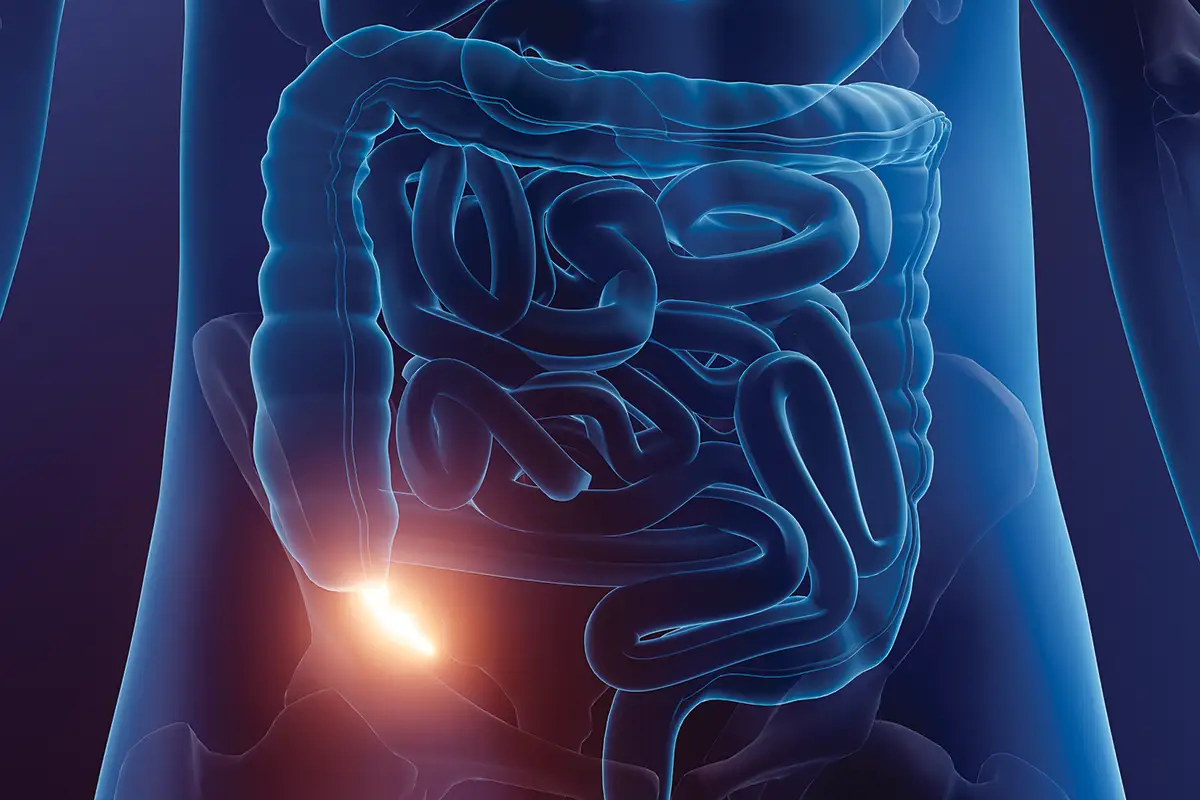
Appendicitis is an inflammation of the appendix, a small, fingerlike pouch that extends from the large intestine. Once considered a vestigial organ, emerging research suggests that the appendix plays a role in immune function, particularly by serving as a reservoir for beneficial intestinal bacteria and supporting gut microbial balance.1 In children, acute appendicitis (AA) is most commonly caused by lymphoid hyperplasia, an overgrowth of lymphoid tissue within the appendix. In adults, appendicitis is more often associated with obstruction from fecaliths (hardened stool that promotes bacterial overgrowth), infections, or less commonly, tumors.2
Appendicitis is the most common abdominal surgical emergency worldwide, accounting for nearly 300,000 hospitalizations annually in the United States.3 Although appendectomy remains the standard treatment for most cases, recommendations for preoperative and postoperative nutrition and overall management continue to vary among health care institutions.
Because preventing perforation, sepsis, and other complications is the primary goal of treatment, AA has traditionally been regarded as a surgical condition rather than a nutritional one. Consequently, nutrition has largely been viewed as a supportive component of care. Although there is little evidence that nutrition can alter the acute course of the disease, nutritional management becomes increasingly important following surgery and remains supportive during nonoperative treatment. Key nutritional considerations include maintaining adequate hydration, supporting immune function, and promoting restoration of a healthy gut microbiota following antibiotic therapy.
State of the Evidence
One reason that nutrition doesn’t play a larger role in appendicitis treatment is that research remains limited, with few randomized controlled trials evaluating specific dietary interventions, macronutrient composition, or the optimal timing of refeeding, particularly in patients managed nonoperatively. As a result, current nutrition recommendations are largely based on observational evidence, expert opinion, and established intestinal surgical standards. Furthermore, limited research distinguishes nutritional needs between pediatric and adult populations or provides clear guidance on diet progression for patients treated successfully with antibiotics alone.
Although evidence remains inconclusive regarding the role of diet in the development of appendicitis, growing research suggests that certain dietary patterns may influence disease risk. Diets high in ultraprocessed foods and low in fruits, vegetables, and dietary fiber may contribute to alterations in the gut microbiome that promote inflammation and increase susceptibility to appendicitis. Chronic constipation, which is often associated with low-fiber diets, has also been proposed as a potential risk factor because it may increase the likelihood of fecalith formation.
A 2025 systemic review and meta-analysis reported an inverse association between dietary fiber intake and AA, while diets high in meat and added sugars were associated with an increased risk.4 Additional observational studies have similarly found that dietary patterns characterized by high sugar intake and low fruit and vegetable consumption are associated with greater risk of AA. Other potential risk factors under investigation include environmental exposures and early-life factors such as breastfeeding history.5,6
Dietary Recommendations for Surgical Patients
Because of the virtual absence of appendicitis-specific dietary guidelines from national nutrition organizations, current management guidelines generally follow broader principles of surgical nutrition care. In the United States, preoperative nutrition management is largely guided by the fasting recommendations of the American Society of Anesthesiologists, which have shifted away from traditional prolonged fasting and strict nothing by mouth (nil per os, or NPO) protocols toward a more individualized approach emphasizing minimal fasting and earlier feeding when appropriate. Current recommendations include discontinuing solid foods six to eight hours before anesthesia while allowing clear liquids up to two hours prior to surgery. In emergency situations requiring immediate operative intervention, NPO status is initiated upon presentation.
Historically, strict NPO recommendations were implemented primarily to reduce the risk of pulmonary aspiration during anesthesia. However, large reviews have demonstrated no increased aspiration risk associated with the allowance of clear liquids closer to the time of surgery, supporting the movement toward more liberal preoperative fasting practices.
Postoperative nutrition guidelines similarly emphasize early oral intake and advancement of diet as tolerated. Clear liquids are typically initiated within the first zero to six hours after surgery, followed by progression toward a regular diet within 24 hours or sooner in uncomplicated cases without perforation or other complications. Many hospitals have moved away from the prolonged full liquid diet phase that was traditionally used, recognizing that earlier advancement may better support recovery.
Given that malnutrition and inadequate nutritional intake are associated with increased postoperative complications, early oral feeding is now considered a preferred nutritional intervention for surgical patients. Nutritional status should be assessed to guide both preoperative and postoperative care. According to recommendations from the European Society for Clinical Nutrition and Metabolism, American Society of Parenteral and Enteral Nutrition (ASPEN), and Enhanced Recovery After Surgery guidelines, while malnutrition may require targeted nutrition intervention and optimization before elective procedures, emergency surgery should not be delayed. Instead, care should focus on stabilizing fluids and electrolytes, initiating early postoperative nutrition, and correcting nutritional deficiencies after surgery. Protein intake is prioritized in both malnourished and well-nourished patients, with recommendations typically ranging from 1.5 to 2 g/kg/day to support immune function, tissue repair, and recovery from the catabolic stress response associated with surgery.7
Nonsurgical Recommendations
For patients with acute symptoms who are not undergoing immediate surgery or are being evaluated for possible surgical intervention, the common prescription is NPO to minimize gastrointestinal stimulation, reduce symptoms such as nausea and vomiting, and help prevent worsening abdominal discomfort. There is no universally established duration for NPO status, as management is largely individualized based on symptom severity and clinical response.
In pediatric patients, including children older than 5 years undergoing nonsurgical treatment, the American Pediatric Surgical Association recommends IV fluids and NPO for a minimum of 12 hours, with advancement to clear liquids if symptoms improve.8 In both adult and pediatric populations, if symptoms improve and surgery is not required, the diet is typically advanced from clear liquids to low-fiber, easily digestible foods such as bananas, applesauce, toast, eggs, lean proteins, and simple starches. Small, frequent meals that are lower in fat and fiber are generally better tolerated during recovery. Once inflammation has resolved, patients can usually return to a regular diet with an emphasis on adequate energy intake, protein, and adequate hydration to support recovery.
Hydration
Hydration is an integral component of both the pre- and postoperative management of AA, as many patients present with some degree of fluid deficit that can be a result of the reduced oral intake from pain, nausea, and, in some cases, vomiting.7
Preoperatively, the goals of fluid therapy are to restore circulating blood volume, correct electrolyte imbalances, and optimize the patient’s physiological status for anesthesia. ASPEN guidelines recommend maintenance fluid intake of approximately 25 to 30 mL/kg/day for uncomplicated cases, with additional intravenous fluids administered as needed based on clinical assessment and the severity of dehydration.
Postoperatively, earlier reintroduction of oral fluids has been associated with faster return of bowel function as well as shorter hospital stays. Patients managed nonoperatively with antibiotics alone may also require intravenous fluids if dehydration is present. Once clinically stable and able to tolerate oral intake, fluid recommendations for otherwise healthy, nonsurgical patients generally follow standard weight-based guidelines of approximately 25 to 35 mL/kg/day. However, fluid requirements should be individualized for special populations, including patients with chronic kidney disease or heart failure, older adults, athletes, and individuals who are pregnant or lactating, as these groups may require closer monitoring and adjusted fluid prescriptions.
Probiotics as Postsurgical & Nonsurgical Adjunctive Treatment
Because the appendix contains the highest concentration of gut-associated lymphoid tissue within the intestine, emerging research suggests that alterations in the gut microbiota may directly influence immune activity within the appendix and potentially affect overall immune function.9 This relationship highlights the potential role of intestinal dysbiosis not only in the development of AA but also in the recovery and healing process following inflammation.
The use of probiotics, including Lactobacillus plantarum, has been investigated as a potential adjunctive therapy in patients with uncomplicated AA. In a randomized controlled trial, patients receiving L. plantarum demonstrated a significant reduction in postoperative complications, including wound infections, ileus obstruction, and fever, as well as a shorter hospital length of stay compared with the placebo group.10
Probiotics may represent a promising supportive therapy in the management of AA by modulating inflammation, supporting intestinal barrier function, and influencing both innate and adaptive immune responses. However, additional research is needed to determine the optimal clinical application of probiotics in this population, including the most effective strains, dosing strategies, and duration of supplementation. Despite these remaining questions, probiotics represent an emerging area of interest that may contribute to improved outcomes in the future management of AA.10
Takeaways for RDs
Dietitians should provide guidance early on to prioritize protein, hydration, and avoid unnecessary long-term restriction. In the hospital setting, nutrition assessments are particularly important for patients at increased risk for malnutrition, as early identification and intervention may help reduce the risk of complications and support recovery.
Current evidence is still limited in treatment protocols as well as causes and possible prevention of the disease. Nonetheless, we are now able to understand much more about diet, the microbiome that exists in the appendix, and its role in disease outcomes. Recent studies investigating associations between bacterial overgrowth, reduced microbial diversity and AA, highlight the potential role of nutrition as a component of prevention and long-term disease management, suggesting the efficacy of nutrition approaches through the preventative lens.
— Inga Voloshin, RDN, CDN, is a registered dietitian, trained chef, and founder of Food and Feelings, LLC, a culinary wellness company that blends nutrition with the vibrance and connection of food. With a background spanning clinical, community, and culinary nutrition, Voloshin specializes in helping people create meaningful relationships with food through personalized nutrition experiences, education, and gourmet cuisine.
References
1. Vitetta L. The vermiform cecal appendix: expendable or essential? A narrative review. Curr Opin Gastroenterol. 2022;38(6):570-576.
2. Ucar Karabulut K, Erinanc H, Yonar A, Kisinma A, Ucar Y. Correlation of histological diagnosis and laboratory findings in distinguishing acute appendicitis and lymphoid hyperplasia. Ann Surg Treat Res. 2022;103(5):306-311.
3. Lotfollahzadeh S, Lopez RA, Deppen JG. Appendicitis. In: StatPearls [Internet]. Treasure Island, FL: StatPearls Publishing; 2024.
4. Pitesa R, Spiekermann M, Paterson C, Hill AG. Revisiting diet and appendicitis: a systematic review and meta-analysis. World J Surg. 2025;49(12):3380-3389.
5. Peeters T, Houben B, Cools P, et al. An observational study on lifestyle and environmental risk factors in patients with acute appendicitis. Heliyon. 2023;9(4):e15131.
6. Raghupathy, Thangamani, Sabreena, Kailasam S, Vaithiswaran A. Breast-feeding and acute appendicitis: a prospective correlative study of breast-feeding as a disease-modifying factor. J Evol Med Dent Sci. 2017;6(1):30-32.
7. Weimann A, Bezmarevic M, Braga M, et al. ESPEN practical guideline: clinical nutrition in surgery — update 2025. Clin Nutr. 2025;53:222-261.
8. American Pediatric Surgical Association Quality and Safety Committee. Early acute appendicitis: nonoperative management. In: APSA Quality and Safety Committee Toolkit. Published 2020.
9. Bi Y, Yang Q, Li J, et al. The gut microbiota and inflammatory factors in pediatric appendicitis. Dis Markers. 2022;2022:1059445.
10. Petruzziello C, Saviano A, Ojetti V. Probiotics, the immune response and acute appendicitis: a review. Vaccines (Basel). 2023;11(7):1170.