

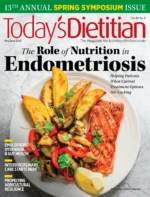
Certain dietary patterns may reduce symptom severity by reducing inflammation and modulating hormone levels. RDs with expertise share clinical wisdom for patients diagnosed with this challenging condition.
Feature
Although emulsifiers play an important part in food manufacturing, researchers are asking whether they may also negatively impact eosinophilic esophagitis, dysphagia, and irritable bowel syndrome.
Dietitians can complement medical resident training through educating up-and-coming providers about the clinical necessity of nutrition therapy, modeling collaborative care, and reinforcing the value of referrals to nutrition experts.
Amid Farm Bill negotiations and funding considerations for conservation and climate programs, RDs are poised to make a difference as trusted experts on the intersection of food systems and nutrition factors impacting health.
This continuing education course details the role of GLP-1 injectables in managing chronic conditions and overweight/obesity, common concerns and side effects, and current MNT approaches for patients using these medications.
RDs discuss what has long been considered “the elephant in the room” in dietetics: inadequate compensation and institutional imbalance that threaten long-term viability of the profession. Read more about what some are saying is required to make a change.
A consensus statement released last fall by the European Crohn’s and Colitis Organisation reviewed the body of evidence for dietary therapies for inducing and maintaining remission. RDs offer insight on the changes and implications for clinical practice.
Get to know 10 exceptional RDs who embody the spirit of excellence in the dietetics profession in this year’s annual lineup.
This continuing education course reviews the history and prevalence of alpha-gal syndrome, discusses the dietary changes necessary to manage the condition, and highlights emerging research and potential medical breakthroughs related to alpha-gal.
Patients with chronic critical illness face profound nutrition challenges after the ICU. Targeted nutrition therapy plays a critical role in recovery, functional improvement, and long-term outcomes.