


Today’s Dietitian
Vol. 28 No. 3 P. 6
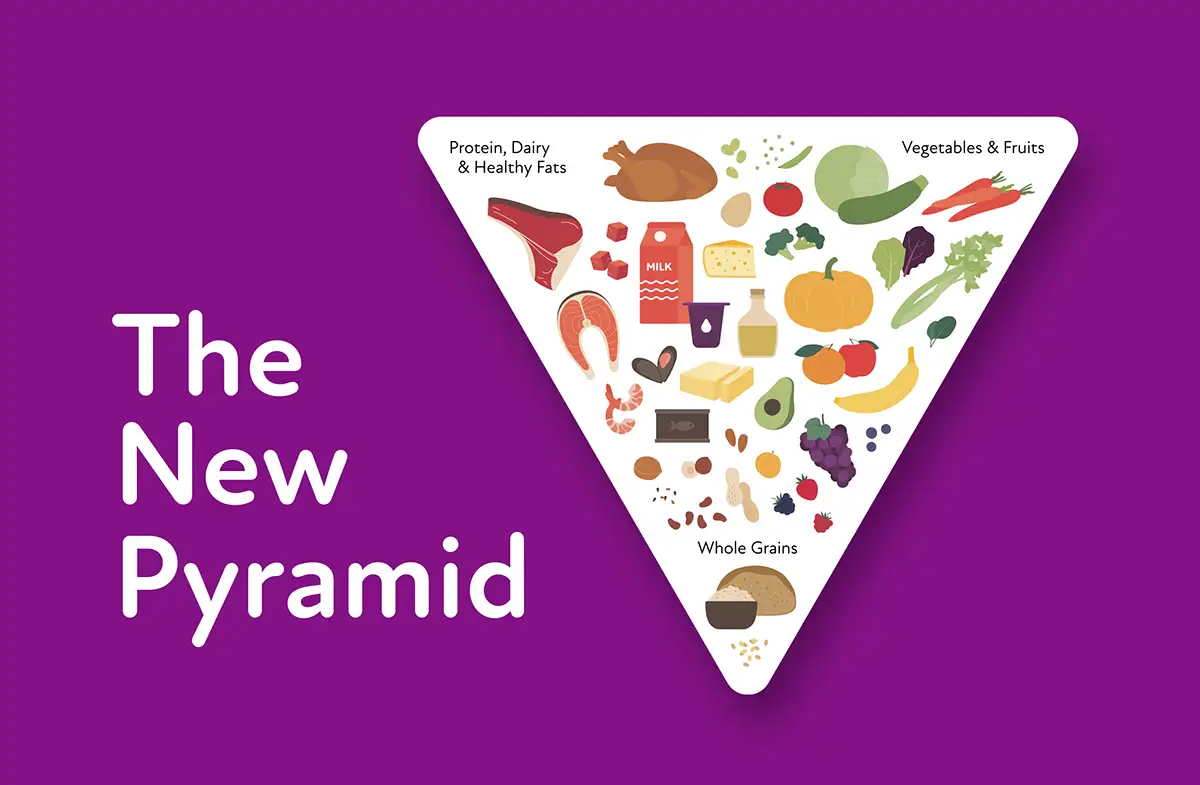
In January 2026, the USDA and HHS released the 2025–2030 Dietary Guidelines for Americans (DGAs). A new visual pyramid was also unveiled, with the words “Eat Real Food” above it. After having some time to reflect and discuss with colleagues, we are now digging into the details with an overview of the recommendations made in the new DGAs, concerns and missed opportunities, and advice for dietetic professionals on how to navigate these guidelines in practice.
Materials and Goals of the New DGAs
The new DGAs were launched on a new website at realfood.gov,1 where you can find the resources including the new upside-down pyramid, a 10-page consumer-facing handout,2 The Scientific Foundation for the Dietary Guidelines for Americans Appendices (445 pages),3 The Scientific Foundation for the Dietary Guidelines for Americans (90 Pages),4 and the Daily Servings by Calorie Level guide (three pages).5 The website claims that “Highly processed food has hollowed out our health, driving obesity, diabetes, heart disease, and early death. The truth is simple: real food restores health.”1 Further, the website indicates upcoming changes to federal nutrition policy to meet their goals by (1) removing soda and candy from SNAP; (2) ensuring schools and military bases serve real food; (3) improving infant formula standards; (4) phasing out petroleum-based dyes from food; and (5) overhauling the FDAs “generally recognized as safe” designation.
Compared with the 2020–2025 DGAs, “The 10-page written guidelines document is consistent with research and past DGA recommendations on consuming three servings of vegetables and two servings of fruit each day,” says Christine Rosenbloom, PhD, RDN, professor emerita at Georgia State University, and coauthor of Food & Fitness After 50 (www.chrisrosenbloom.com). Rosenbloom also says the new DGAs are consistent with keeping saturated fat to less than 10% of total calories and limiting sodium intake to less than 2,300 mg/day.
However, with these new DGAs come numerous new recommendations for consumers. Let’s break down what has diverged from past recommendations.
Protein
Protein intake is recommended at 1.2 to 1.6 g/kg body weight per day, which is increased from 0.8 g/kg body weight per day. The RDA of 0.8 g/kg body weight represents mean requirements plus two standard deviations above that mean value to meet the needs of 97.5% of the population.6 There is emerging research on protein requirements across the lifespan (eg, menopause, older adults), and this may merit reexamination of the protein RDA. Unfortunately, with no recurring government funding, the dietary reference intakes aren’t evaluated regularly, which is why most RDAs (including protein) haven’t been updated in decades.
Healthy Fats & Oils
Although the new DGAs preserve the previous recommendation to limit saturated fat to less than 10% of total calories, these DGAs “are recommending meat, full-fat dairy, butter, and beef tallow—all of which contain a substantial amount of saturated fat,” says Monica Reinagel, MS, LDN, host of the Nutrition Diva podcast (https://wellnessworkshere.com). According to Reinagel, “In practice, it’s very difficult to harmonize those two pieces of advice,” giving the example that three servings of full-fat dairy brings the calories to 10% of total calories from saturated fat, before adding any meat, butter, or tallow.
Further, the DGAs recommend prioritizing oils with essential fatty acids, such as olive oil with other options including butter or beef tallow. However, “There are only two essential fatty acids: alpha-linolenic acid (richest source would be flaxseed oil), and linoleic acid (richest sources would be safflower, sunflower, soy and corn oils),” says Reinagel, who points out that the three specific sources of “healthy fats” cited in the consumer-facing DGAs2 are olive oil, butter, and beef tallow, none of which are particularly rich in essential fatty acids.
The Scientific Foundation for the Dietary Guidelines for Americans4 blames the replacements of traditional animal fat with omega-6 polyunsaturated fatty acid (PUFA) linoleic acid (eg, soybean oil, corn oil, sunflower oil, cottonseed oil, and safflower oil) for health issues in the United States and claims that replacing omega-6 fatty acids with animal fats will lower coronary heart disease or mortality risk.
Authoritative health organizations like the American Heart Association and WHO recommend intake of vegetable oils, including omega-6 PUFA-containing oils, as part of a healthy dietary pattern.7,8 The USDA recognizes the cardiometabolic benefits of soybean with a qualified health claim: “Supportive but inconclusive scientific evidence suggests that eating about 1½ tablespoons of soybean oil daily may reduce the risk of coronary heart disease.”9 In addition, population studies show that higher intake of linoleic acid is associated with lower risk of CVD, coronary heart disease, type 2 diabetes, and overall mortality.10-12 Further, both observational and human intervention studies show that intake of linoleic acid is associated with a lower BMI and reduced body fat.13
Additionally, vegetable oils may contain a combination of fatty acids and are categorized by their most abundant type of fat. For example, soybean oil, categorized as a PUFA, is the predominant ingredient in most vegetable oils and provides 55% to 58% polyunsaturated fat, 12% to 15% saturated fat, and 22% to 30% monounsaturated fat.14
Dairy
Three daily servings of dairy as part of a 2,000 kcal dietary pattern continue to be recommended. For the first time, the DGAs recommend consuming full fat dairy with no added sugars. There is a growing body of research demonstrating the health benefits of whole milk. The intact food matrix concept can be used to address how the relationships between nutrient and nonnutrient components impact digestion, absorption, and physiological functions important for health. A food matrix refers to the relationships between the nutrient and nonnutrient components of foods, including micro- and macronutrients, bioactive compounds, physical structure, texture, and form (eg, solid, gel, or liquid).
Research has explored the matrices of different foods including almonds and dairy-derived milk. A randomized controlled trial found that the manner in which almonds were prepared affected the amount of calories available for absorption.15 Further, bovine milk fat contains over 400 types of fatty acids, including short-, medium-, and long-chain fatty acids ranging in length from four to 24 carbons. Only about 15 of the identified fatty acids are present at levels of 1% or higher, which underscores the intricate complexity of the lipid composition of milk. The unique composition of milk fat in whole-fat dairy foods is a topic of ongoing investigation, including the Prospective Urban Rural Epidemiology (PURE) study diets where researchers developed a healthy diet score using data from the PURE cohort of nearly 245,000 adults from 80 countries.16 Researchers identified six food groups that were linked to health and longevity, including fruits, vegetables, legumes, nuts, fish, and dairy foods. Results found that including 14 servings of dairy per week (mainly whole milk dairy foods) were linked to reduced risk of CVD, heart attack, stroke, and mortality.
However, some argue that the singular promotion of whole dairy takes away the more inclusive message that many satisfactory options still exist within the dairy category, like full fat, reduced fat, low fat, and nonfat. Lactose-free dairy milk is only mentioned once yet is widely available nationwide and has become a way for those with lactose intolerance to be able to take in this nutrient-dense food group. The National Institutes of Health and National Medical Association recommend including three daily servings of dairy foods as part of an overall healthy diet in people with lactose intolerance.17,18
Added Sugar
According to the new DGAs, no amount of added sugar or nonnutritive sweetener is recommended or considered part of a healthy or nutritious diet. However, the new DGAs recommend that one meal should contain no more than 10 g of added sugar, but no amount of added sugar is recommended under the age of 10 years.
According to Reinagel, the recommendation of no added sugar for kids under the age of 10 years is unrealistic. Further, “This sort of demonization of foods can so easily give rise to anxiety, isolation, disordered eating … and inevitably gives rise to ‘solutions’ that miss the point, such as sweetening everything with concentrated fruit juice or agave nectar or coconut sugar,” Reinagel says.
With the limit of 10 g of added sugar per meal, there is no guidance for snacks or for people who consume smaller meals throughout the day.
Alcohol
Reinagel provides historic context for the alcohol recommendations. Over the past couple of DGA cycles, there has been growing pressure to remove the guidance stating that one to two servings of alcohol per day is acceptable, citing mounting evidence that any amount of alcohol may increase disease risks. Despite this, the report of the original Dietary Guidelines Advisory Committee (DGAC) punted by saying certain “healthy dietary patterns” associated with beneficial health outcomes often included a moderate intake of alcohol in adults.19 The new guidelines removed the recommendation to limit alcohol to one to two drinks per day but replaced it with vague advice to “consume less” for “better health.”
Further, Rosenbloom points out that “The alcohol guidance in the foundation document says the recommendation to consume less alcohol comes from the NASEM report (reference #276), yet reference #276 is on vitamin B12 status in vegan diets.”
Other Areas of Concern
A main concern Rosenbloom has is “the visual doesn’t match the written documents, which don’t match the press conference sound bites.” This includes a whole chicken, large steak, hunk of cheese, and only whole milk at the top of the pyramid, while plant-based options of pulses, whole grains, and nuts and seeds are at the bottom. “Downplaying the benefits of plant-based proteins, like pulses, was discouraging as we know many are trying to eat less meat and more beans, peas, and lentils,” Rosenbloom says.
Further, Rosenbloom says that these DGAs “missed the chance to help women get needed folate during the early stages of pregnancy from refined grains that are fortified with folic acid.” Rosenbloom explains that the larger background report states “refined grains are sugars in disguise,” yet there is no mention that folic acid fortification results in about a 44% reduction in neural tube defects20 and the report discourages women from consuming the very grains that provide this needed nutrient.
Health equity is another area dismissed in these DGAs, while the report of the original DGAC focused on this very topic.19 Rosenbloom explains that the current guidelines ignore health disparities as a driver of poor health outcomes and lower quality diets. Additionally, food insecurity is not mentioned, and since this administration is no longer collecting information on food insecurity, Rosenbloom believes this issue will only get worse.
The dietary guidelines are the foundation informing federal food, nutrition, and health policies and programs such as WIC, SNAP, National School Lunch Program, Older American Acts Nutrition Program, and Healthy People objectives. They also provide critical structure for state and local public health promotion and disease prevention initiatives. To help the USDA and HHS write the dietary guidelines from evidence-based information, a committee of researchers and experts rigorously reviews the latest research. The process is highly transparent with scheduled meetings livestreamed, and public comments are reviewed by the committee. A new DGAC is formed every five years from experts who have been nominated and vetted for both expertise and financial, ethical, and legal conflicts of interest. This advisory committee presents its scientific report to the USDA and HHS, which have historically taken these recommendations under advisement when writing the dietary guidelines. The 2025–2030 Scientific Report of the 2025 Guidelines Advisory Committee was published in December 2024 and made public for comments in December 2024. However, as a notable departure from past protocol, the 2025–2030 guidelines dismissed this report. Further, there were no open meetings where the agenda was published, there were no public comments, and no known peer reviews.
Recommendations for Dietetic Professionals
There is certainly a lot to unpack in these DGAs. For dietitians who feel unsure how to interact with clients or educate based on the new guidelines, the following are several recommendations:
- Keep doing what you’re doing. Rosenbloom recommends utilizing useful visuals including MyPlate (though the website information has been deleted) and other visuals from professional organizations that are available.
- Help consumers understand protein options. Both plant and animal proteins are options in a healthy eating plan. Rosenbloom recommends helping consumers understand that choosing lean meat and plant-based proteins are good evidence-based options.
- Help consumers understand fats. Understand where your client is getting information about “highly processed vegetable oil” (aka, seed oils) and help debunk myths surrounding this topic. PUFAs have been shown to be beneficial for heart health. If a client would like to consume beef tallow and butter, explain how to do so and still align with the 10% of saturated fat limit.
- Navigate the processed food conversation with nuance. All foods, even processed foods, can be part of a balanced eating pattern that fits budget, access, and preferences.
- Discuss dairy. Whole milk can be part of a healthy eating plan but is just one option in the milk and dairy group alongside other fat levels, as well as soy milk and soy yogurt.
— Toby Amidor, MS, RD, CDN, FAND, is founder of Toby Amidor Nutrition (tobyamidornutrition.com) and a Wall Street Journal bestselling author. She’s written 12 cookbooks, including her latest, Healthy Living High-Protein Cookbook (June 2026). She’s also an award-winning media dietitian, spokesperson, and nutrition expert for FoodNetwork.com and a contributor to U.S. News and other national outlets.
Send your questions to Ask the Expert at TDeditor@gvpub.com or send a tweet to @tobyamidor.
References
1. USDA, HHS. The 2025-2030 Dietary Guidelines for Americans. https://realfood.gov/
2. USDA, HHS. Dietary Guidelines for Americans, 2025–2030. https://cdn.realfood.gov/DGA.pdf
3. USDA, HHS. The Scientific Foundation for the Dietary Guidelines: Appendices. https://cdn.realfood.gov/Scientific%20Report%20Appendices_FINAL_1.28.26.pdf
4. USDA, HHS. The Scientific Foundation for The Dietary Guidelines for Americans. https://cdn.realfood.gov/Scientific%20Report_508.pdf
5. USDA, HHS. Daily Servings by Calorie Level. https://cdn.realfood.gov/Daily%20Serving%20Sizes.pdf
6. 6 Protein and amino acids. In: National Research Council (US) Subcommittee on the Tenth Edition of the Recommended Dietary Allowances. Recommended Dietary Allowances: 10th Edition. Washington, D.C.: National Academies Press (US); 1989. https://www.ncbi.nlm.nih.gov/books/NBK234922/
7. Williamson L, American Heart Association News. There’s no reason to avoid seed oils and plenty of reasons to eat them. American Heart Association website. https://www.heart.org/en/news/2024/08/20/theres-no-reason-to-avoid-seed-oils-and-plenty-of-reasons-to-eat-them. Published August 20, 2024.
8. Healthy diet. World Health Organization website. https://www.who.int/news-room/fact-sheets/detail/healthy-diet. Published January 26, 2026.
9. Soybean oil and reduced risk of coronary heart disease. U.S. Food and Drug Administration website. https://www.fda.gov/media/106649/download. Published July 21, 2017.
10. Pan A, Chen M, Chowdhury R, et al. α-linolenic acid and risk of cardiovascular disease: a systematic review and meta-analysis. Am J Clin Nutr. 2012;96(6):1262-1273.
11. Del Gobbo LC, Imamura F, Aslibekyan S, et al. ω-3 polyunsaturated fatty acid biomarkers and coronary heart disease: pooling project of 19 cohort studies. JAMA Intern Med. 2016;176(8):1155-1166.
12. Zong G, Liu G, Willett WC, et al. Associations between linoleic acid intake and incident type 2 diabetes among U.S. men and women. Diabetes Care. 2019;42(8):1406-1413.
13. U.S. Department of Agriculture, Economic Research Service. 2019 ERS Oilseed Yearbook.
14. Dorni C, Sharma P, Saikia G, Longvah T. Fatty acid profile of edible oils and fats consumed in India. Food Chem. 2018;238:9-15.
15. Gebauer SK, Novotny JA, Bornhorst GM, Baer DJ. Food processing and structure impact the metabolizable energy of almonds. Food Funct. 2016;7(10):4231-4238.
16. Dehghan M, Mente A, Rangarajan S, et al. Association of dairy intake with cardiovascular disease and mortality in 21 countries from five continents (PURE): a prospective cohort study. Lancet. 2018;392(10161):2288-2297.
17. Lactose intolerance: learn more – what can lactose-intolerant people eat? In: InformedHealth.org [Internet]. Cologne, Germany: Institute for Quality and Efficiency in Health Care (IQWiG); 2006-. https://www.ncbi.nlm.nih.gov/books/NBK534631/. Updated November 20, 2024.
18. Comerford K, Lawson Y, Young M, et al. Executive summary: the role of dairy food intake for improving health among Black Americans across the life continuum. J Natl Med Assoc. 2024;116(2 Pt 2):211-218.
19. USDA, HHS. Scientific Report of the 2025 Dietary Guidelines Advisory Committee. Dietary Guidelines for Americans website. https://www.dietaryguidelines.gov/2025-advisory-committee-report 20. Moges S, Kotiso KS, Jaldo MM. The effectiveness of mandatory folic acid fortification compared with pre-fortification periods on reducing neural tube defects (NTDs): a systematic review and meta-analysis. BMC Nutr. 2026;12(1):31.