



Today’s Dietitian
Vol. 28 No. 1 P. 44
Seaweed—particularly kelp—is emerging as a rising star ingredient. Long a staple in many Asian cuisines, seaweed is gaining traction here in the United States due to its robust nutritional profile, environmental benefits, and culinary versatility.
Restaurants are serving up seaweed in everything from seaweed salad, poke bowls, and nori tacos to seaweed butter, furikake fries, and cocktails with kombu syrup or seaweed infusions. According to market research firm Datassential, seaweed has grown 81% on menus in the past four years. Seaweed has been especially popular in Mexican entrees, growing 221% on restaurant menus over that four-year period.
Chris Vogliano, PhD, RDN, cofounder and director of global research at Food + Planet, calls seaweed a nutrition and sustainability powerhouse. These vegetables from the sea provide essential nutrients like iodine, vitamin K, and fiber, along with bioactive compounds,1 and can be farmed without land, freshwater, fertilizers, or pesticides.
Seaweed has become the fastest growing sector in aquaculture globally.2 That’s good news, as farmed seaweed absorbs carbon dioxide and excess nitrogen, helping combat climate change and improve ocean health, Vogliano says.
“As aquaculture grows, seaweed stands out as a rare food that nourishes both people and the planet by restoring ecosystems,” he says.
In addition to its environmental benefits, seaweed empowers coastal communities and supports local economies—especially as traditional New England fisheries face climate pressures with rapidly rising sea temperatures, says Andrew Wilkinson, chef director of research and development at North Coast Seafoods in Boston. Plus, it brings an ancient, nutrient-rich food source to modern kitchens, he says.
Seaweed-Based Food Products
Beyond chefs and mixologists getting creative with seaweed, food companies are increasingly turning to seaweed for a wide range of food products that include plant-based meats, noodles, snacks, sauces, and other condiments.
Plant-Based Meats
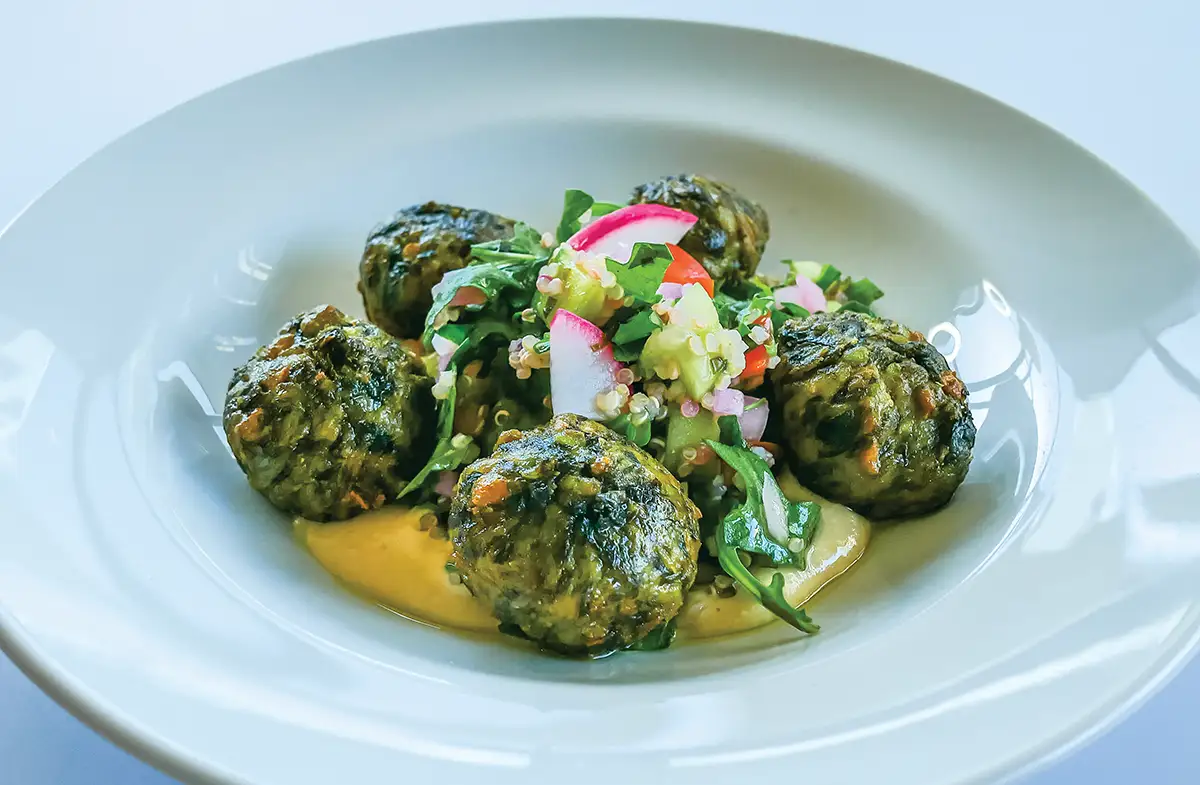
- Seaweed-ish Kelp Meatballs. Created by North Coast Seafoods, these umamirich plant-based meatballs are made with kelp that is rope-grown in the Gulf of Maine. The kelp balls won a Food and Beverage Innovation Award at the National Restaurant Association Show and has become a popular menu item in college and university dining.
Pasta and Noodles
- Pasta from the Sea Seaghetti. Pasta made with green and brown kelp.
- Sea Tangle Kelp Noodles. Ready-to-eat kelp noodles that include green tea and kona berry flavors.
- Gold Mine Kelp Noodles. Another ready-to-eat kelp noodle to consider.
Seaweed Snacks
- Snacks from the Sea Kelpie chips. Sustainably harvested kelp chips in chipotle, salt and pepper, and zesty pizza flavors.
- 12 Tides. Regeneratively harvested kelp puffed into chips in flavors including sea salt, truffle and pepper, chili pepper, vegan cheddar, and everything.
- Ocean’s Halo. Kelp-based snacks in red hot chili crunch, ginger sesame, wasabi, Maui onion, and Thai sweet chili flavors.
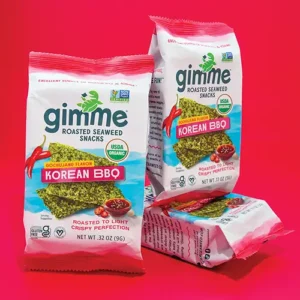
- Gimme. Roasted seaweed snacks in flavors including teriyaki, Korean BBQ, toasted sesame and wasabi.
- SeaSnax. Roasted seaweed snacks in onion, chipotle, wasabi, and sea salt flavors.
Condiments
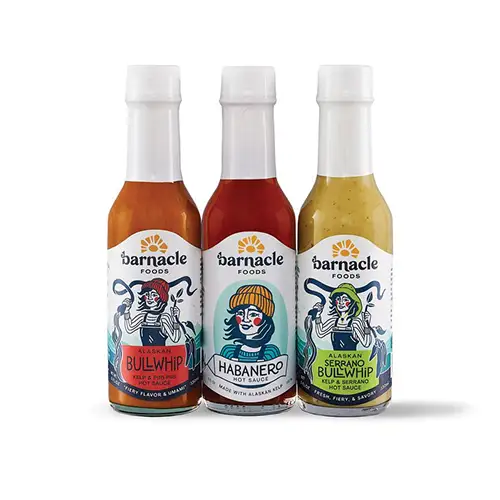
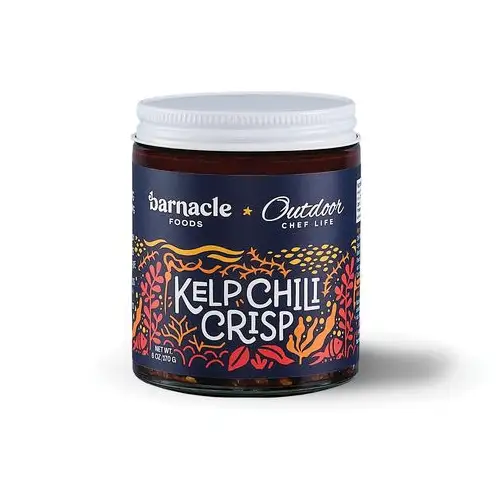
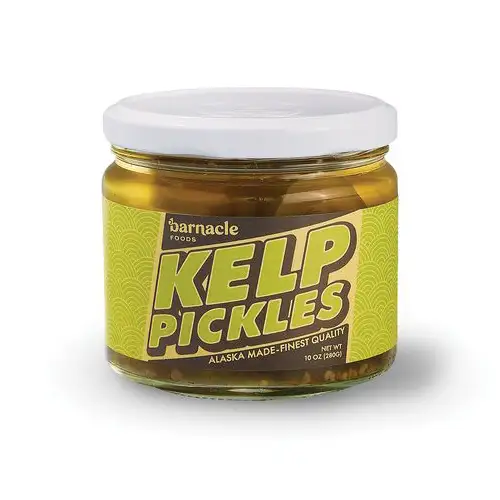
- Barnacle Foods. Alaskan kelp in umami-rich hot sauces, chili crisp, BBQ sauce, salsa, pickles, furikake and other kelp seasonings.
- Daybreak Seaweed. Seaweed salt and spice mixes, including ume shiso furikake and yuzu seven-spice blend with wakame seaweed.
— Janet Helm, MS, RDN, is a global food analyst and public relations strategist with 20+ years agency experience working with food and beverage brands and agricultural commodity boards. She started her own consultancy Food at the Helm and is a sought-after speaker on food trends.
References
1. Lomartire S, Gonçalves AMM. An overview of potential seaweed-derived bioactive compounds for pharmaceutical applications. Mar Drugs. 2022;20(2):141.
2. Into the blue: securing a sustainable future for kelp forests. United Nations Environment Programme website. https://wedocs.unep.org/20.500.11822/42255. Published April 2023. Accessed August 5, 2025.