
Advertorial

Today’s Dietitian Interviews Rebecca Valdez, MS, RDN:
Thought Leader Q&A

The “Expert Q&A” editorial partnership between Too Good & Co., Today’s Dietitian magazine, and Goodness Ambassador, Rebecca Valdez, actions the Too Good & Co. mission through a credible peer-to-peer conversation. This feature will highlight Too Good & Co.’s belief that information can help support healthy eating habits and inspire nutrition professionals with ideas to help people make confident, healthy food choices.

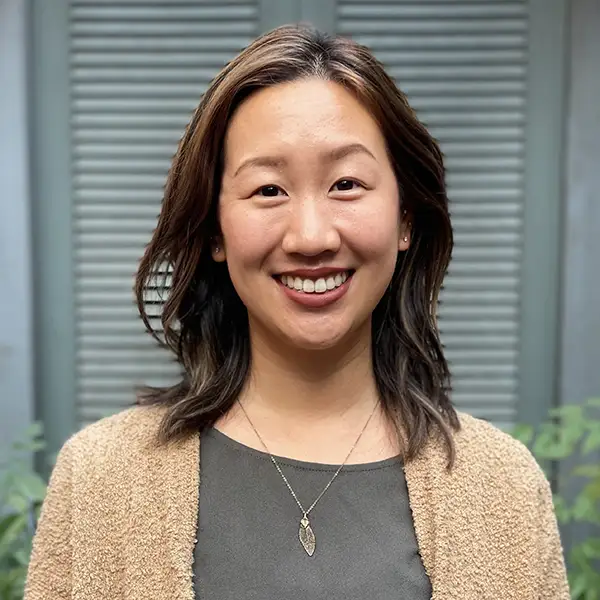
Rebecca Valdez, MS, RDN, is a registered dietitian with nearly 10 years of experience supporting community-based organizations through strategic partnerships, communications and program development. She works with Corbin Hill Food Project, a Harlem-based nonprofit focused on building a fair and sustainable local food system.

Q: When you think about helping someone feel confident in their food choices, what does that look like in real life?

Helping someone feel confident in their food choices starts with action – small, intentional changes that build over time. Food confidence, like any habit, requires conscious effort and repetition.

The key is starting small and choosing what’s doable. For someone who has never cooked before, this may look like cooking one meal from fresh ingredients. Start simple: find a 20-minute recipe with five ingredients and 2-3 steps vs. a two-hour recipe with a long list of ingredients and several steps.

Confidence also comes from normalizing progress over perfection – recognizing that making lasting change is difficult and rarely linear. Some days, cooking may not happen – that’s okay. What matters is returning to the new habit when possible.

Q: What are some ways you help clients see that nutritious choices don’t have to be complicated?

I like to meet my clients where they are and focus on flexible frameworks rather than rigid rules to help keep nutrition simple and approachable. One tool I often use is a “good snack checklist.” It’s a quick way to think about balance without overcomplicating it. I partnered with Too Good & Co. to create a free, downloadable Goodness Guide that supports easy, practical client conversations around this concept. The Academy of Nutrition & Dietetics also offers tip sheets to support and help simplify client education.

Because food choices are often shaped by culture, family, and familiarity, I encourage clients to start with foods they already enjoy and build from there. Sometimes that means enjoying a snack as-is. Other times, it’s as simple as pairing foods to add a bit more nutrition, like pairing a cookie that you’re craving alongside a nutritious cup of yogurt and some fruit. Either way, it’s important to prioritize options that are realistic and easy to find.

For example, the yogurt aisle offers many convenient choices that provide high-quality protein and a source of calcium and vitamin D – two nutrients many Americans don’t get enough of. Some options, like Too Good & Co., also have less sugar, making them a great choice for clients looking to reduce sugar without sacrificing taste. Even familiar snacks you might find at a convenience store or vending machine, like a piece of fruit, a granola bar, or crackers, can feel more balanced when paired with dairy foods that add protein and key nutrients.

Q: What are some ways you help clients see that nutritious choices don’t have to be complicated?

It’s important to tailor your strategy to fit their needs. This may involve building food literacy, strengthening culinary skills, or connecting them with community resources.

Small steps and simple strategies can make a big impact. Teaching clients to interpret date labels (“best before” vs. “use by”) and use their senses to check food quality can help use foods to their fullest. If food is a little past its peak, freezing it for later use in soups, stews, stir-fries and smoothies is another great option.

Having versatile food choices in your kitchen is also helpful, particularly for clients who struggle with meal planning. Yogurt is one of my favorites because it is a budget-friendly protein that can be enjoyed on its own, made into a dip or spread, blended into smoothies, or plain ones can even be incorporated into marinades or added to savory recipes.

I cover some of these strategies in the Too Good & Co “Still Good” Guide, designed to help build patients’ knowledge and skills to make the most of their groceries. While the tool offers a starting point, remember to tailor it for your practice to help clients see how it can be applicable to their lifestyle and culture.

Building personal relationships with local organizations and institutions can also help you to connect clients with resources and community-based efforts that can help meaningfully improve food access.

  • Some organizations, like We Don’t Waste and City Harvest help rescue food that would otherwise be wasted and distribute it on a large scale.
  • There are also expanding “food as medicine” models that utilize the 1115 Medicaid Waiver to help patients access food, including Alameda County’s Recipe4Health food farmacy and Boston Medical Center’s partnership with Nubian Markets’ produce vouchers and medically tailored meals. The organization I work with, Corbin Hill Food Project, also has a Farm Stop program and produce prescription boxes.

Local public health departments, extension services and professional organizations are often great starting points for identifying programs and partnerships already happening in your area.

Q: Looking back on everything we’ve discussed, confidence, simplicity, and affordability, what’s the most important message you want readers to takeaway?

As health professionals, it can be tempting to lead with the breadth and depth of our nutrition knowledge. However, this approach will likely only lead to overwhelm and inaction from our clients. The most important reminder is that people are the experts in their own lives and our role as practitioners is to meet them where they are.

By asking questions and listening, we can begin to understand their priorities, motivations, and goals. This helps us co-design an action plan that is realistic and actionable, like choosing a snack with less added sugar, finding ways to boost favorite foods with under consumed nutrients, or finding creative ways to use what is already in their fridge and pantry.

We don’t need “perfect eating” and instead, we should support “practical eating.” When we work alongside clients to reflect, problem-solve, and celebrate all their wins, we can help them reconnect with the joy in food, develop confidence, and build lasting skills that support long-term health.