

Close Menu
Today's Dietitian MagazineToday's Dietitian Magazine
  • Magazine
    • Current Issue
    • Issue Archive
    • Subscribe
  • Articles
    • Heart Health
    • Diabetes
    • Clinical Nutrition
    • Gut Health
    • Weight Management
    • Healthy Aging
    • Sustainability
    • Professional Growth
    • Fitness and Sports Nutrition
    • Ask the Expert
    • Cultural Foods
    • Food Allergies
    • Foodservice
  • Continuing Education
  • Symposium
  • Enewsletter
  • More
    • Events
    • Careers
    • Guides & Showcases
    • Toolkits
    • Gift Shop
    • Resources
    • Reprints
    • Writers’ Guidelines

Newsletter Signup

Facebook X (Twitter) Instagram LinkedIn
Trending
  • Nutrition Therapy for Chronic Critical Illness
  • Great Debates: Metabolic Health and Weight
  • Flexible Meal Planning for Autism and ADHD
  • Beyond the Prison Bars
  • CPE Monthly: Trends in Oncology Nutrition: Eating on a Schedule
  • Editor’s Spot: Ringing in 2026
  • Clinical Nutrition: The Real-Food Formula Dilemma
  • Food for Thought: Atrial Fibrillation and Nutrition
  • About
  • Advertise
  • Contact
Facebook X (Twitter) Instagram LinkedIn Threads
Today's Dietitian MagazineToday's Dietitian Magazine
CURRENT ISSUE
January/February 2026
Subscribe
  • Magazine
    • Current Issue
    • Issue Archive
    • Subscribe
  • Articles
    • Heart Health
    • Diabetes
    • Clinical Nutrition
    • Gut Health
    • Weight Management
    • Healthy Aging
    • Sustainability
    • Professional Growth
    • Fitness and Sports Nutrition
    • Ask the Expert
    • Cultural Foods
    • Food Allergies
    • Foodservice
  • Continuing Education
  • Symposium
  • Enewsletter
  • More
    • Events
    • Careers
    • Guides & Showcases
    • Toolkits
    • Gift Shop
    • Resources
    • Reprints
    • Writers’ Guidelines
Today's Dietitian MagazineToday's Dietitian Magazine
Home » Trend Watch: Is Kelp the New Kale?

Trend Watch: Is Kelp the New Kale?

Seaweed’s Surge in Popularity
Janet Helm, MS, RDNJanet Helm, MS, RDN5 Mins ReadJanuary 22, 2026
Share Facebook Twitter LinkedIn Threads Email Copy Link
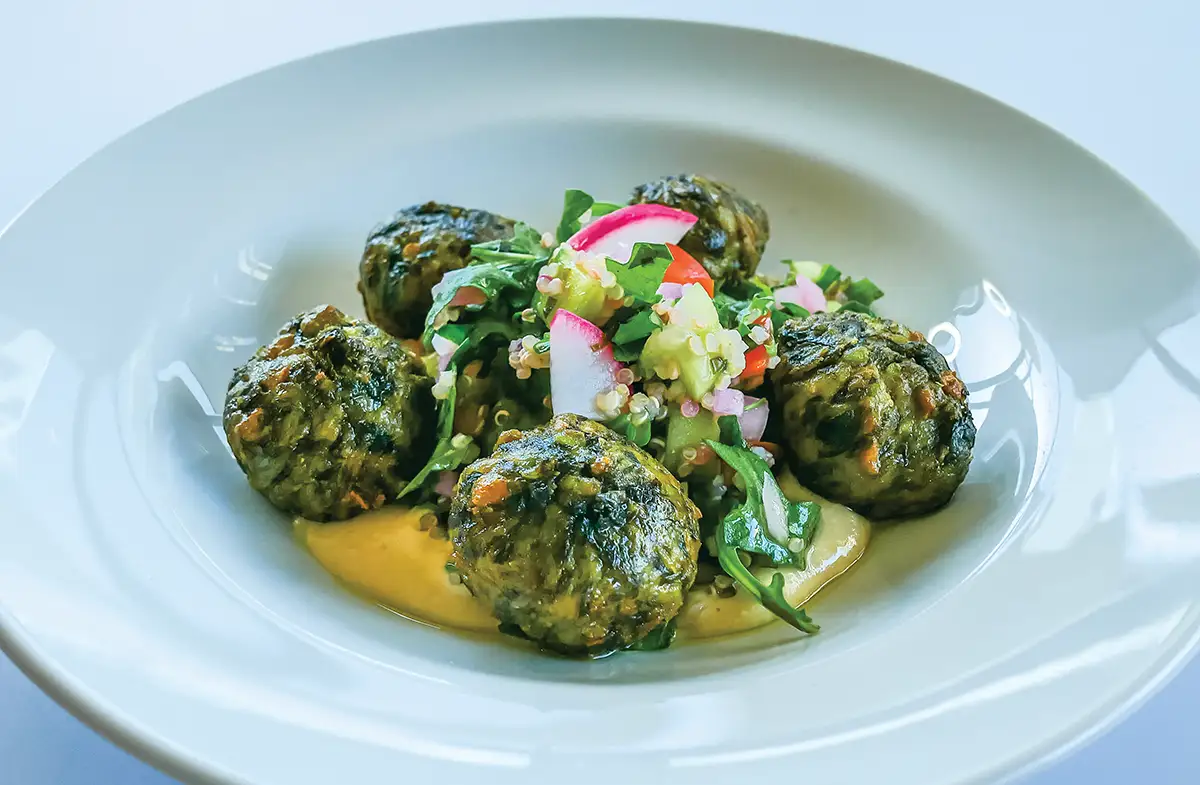
Kelp Meatballs
Seaweed-ish Kelp Meatballs by North Coast Seafoods
Share
Facebook Twitter LinkedIn Threads Email Copy Link

Today’s Dietitian
Vol. 28 No. 1 P. 44

Seaweed—particularly kelp—is emerging as a rising star ingredient. Long a staple in many Asian cuisines, seaweed is gaining traction here in the United States due to its robust nutritional profile, environmental benefits, and culinary versatility.

Restaurants are serving up seaweed in everything from seaweed salad, poke bowls, and nori tacos to seaweed butter, furikake fries, and cocktails with kombu syrup or seaweed infusions. According to market research firm Datassential, seaweed has grown 81% on menus in the past four years. Seaweed has been especially popular in Mexican entrees, growing 221% on restaurant menus over that four-year period.

Chris Vogliano, PhD, RDN, cofounder and director of global research at Food + Planet, calls seaweed a nutrition and sustainability powerhouse. These vegetables from the sea provide essential nutrients like iodine, vitamin K, and fiber, along with bioactive compounds,1 and can be farmed without land, freshwater, fertilizers, or pesticides.

Seaweed has become the fastest growing sector in aquaculture globally.2 That’s good news, as farmed seaweed absorbs carbon dioxide and excess nitrogen, helping combat climate change and improve ocean health, Vogliano says.

“As aquaculture grows, seaweed stands out as a rare food that nourishes both people and the planet by restoring ecosystems,” he says.

In addition to its environmental benefits, seaweed empowers coastal communities and supports local economies—especially as traditional New England fisheries face climate pressures with rapidly rising sea temperatures, says Andrew Wilkinson, chef director of research and development at North Coast Seafoods in Boston. Plus, it brings an ancient, nutrient-rich food source to modern kitchens, he says.

Seaweed-Based Food Products

Beyond chefs and mixologists getting creative with seaweed, food companies are increasingly turning to seaweed for a wide range of food products that include plant-based meats, noodles, snacks, sauces, and other condiments.

Plant-Based Meats

  • Seaweed-ish Kelp Meatballs. Created by North Coast Seafoods, these umamirich plant-based meatballs are made with kelp that is rope-grown in the Gulf of Maine. The kelp balls won a Food and Beverage Innovation Award at the National Restaurant Association Show and has become a popular menu item in college and university dining.

Pasta and Noodles

  • Pasta from the Sea Seaghetti. Pasta made with green and brown kelp.
  • Sea Tangle Kelp Noodles. Ready-to-eat kelp noodles that include green tea and kona berry flavors.
  • Gold Mine Kelp Noodles. Another ready-to-eat kelp noodle to consider.

Seaweed Snacks

  • Snacks from the Sea Kelpie chips. Sustainably harvested kelp chips in chipotle, salt and pepper, and zesty pizza flavors.
  • 12 Tides. Regeneratively harvested kelp puffed into chips in flavors including sea salt, truffle and pepper, chili pepper, vegan cheddar, and everything.
  • Ocean’s Halo. Kelp-based snacks in red hot chili crunch, ginger sesame, wasabi, Maui onion, and Thai sweet chili flavors.
  • Gimme. Roasted seaweed snacks in flavors including teriyaki, Korean BBQ, toasted sesame and wasabi.
  • SeaSnax. Roasted seaweed snacks in onion, chipotle, wasabi, and sea salt flavors.
Gimme Roasted Seaweed Snacks

Condiments

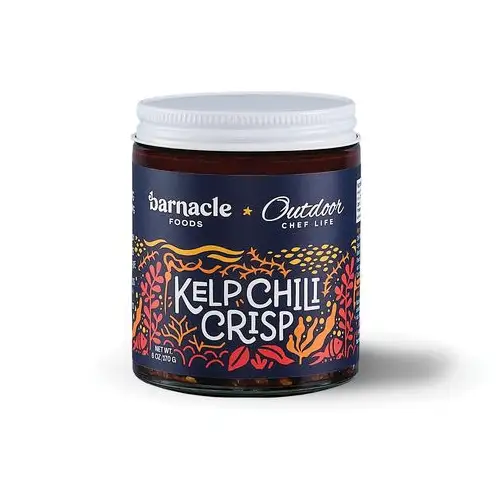
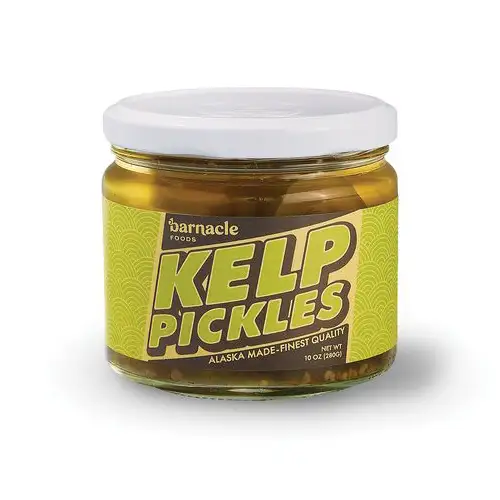
  • Barnacle Foods. Alaskan kelp in umami-rich hot sauces, chili crisp, BBQ sauce, salsa, pickles, furikake and other kelp seasonings.
  • Daybreak Seaweed. Seaweed salt and spice mixes, including ume shiso furikake and yuzu seven-spice blend with wakame seaweed.
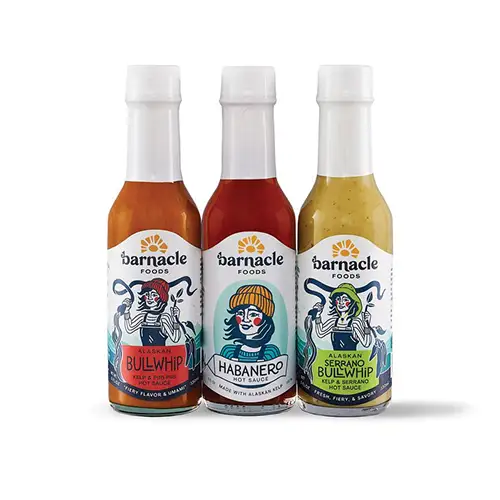
Barnacle Foods Hot Sauces
Barnacle Foods Kelp Chili Crisp
Barnacle Foods Kelp Pickles

— Janet Helm, MS, RDN, is a global food analyst and public relations strategist with 20+ years agency experience working with food and beverage brands and agricultural commodity boards. She started her own consultancy Food at the Helm and is a sought-after speaker on food trends.

References

1. Lomartire S, Gonçalves AMM. An overview of potential seaweed-derived bioactive compounds for pharmaceutical applications. Mar Drugs. 2022;20(2):141.

2. Into the blue: securing a sustainable future for kelp forests. United Nations Environment Programme website. https://wedocs.unep.org/20.500.11822/42255. Published April 2023. Accessed August 5, 2025.

Seaweed Safety

Like all foods sourced from the ocean, seaweed may absorb contaminants from its environment, including heavy metals. Concerns have been raised about the arsenic in seaweed; however, the form and amounts matter. Hijiki, a type of brown seaweed popular in Japanese cuisine, contains mostly the inorganic form of arsenic, which is highly toxic. Most other types of seaweed contain the organic form that is generally considered low in toxicity, according to Vogliano. Recent testing of seaweed indicates safe levels of arsenic in most seaweed (besides hijiki) and amounts are lower than many common foods.1,2

References

1. Yu Y, Morales-Rodriguez A, Zhou G, Barrón D, Sahuquillo A, López-Sánchez JF. Survey of arsenic content in edible seaweeds and their health risk assessment. Food Chem Toxicol. 2024;187:114603.

2. Food + Planet and contributing seaweed farmers; primary data conducted by the Periodic Table of Food Initiative and Eurofins, 2025. https://eataquaticfoods.org/handbooks

Types of Seaweed Used in Food

Not all the roughly 11,000 species of seaweed are edible. Below are the most common types of seaweed found in food products, often referred to as sea vegetables.

  • Kelp: Used in broths, noodle alternatives, and seaweed snacks, and as a seasoning or salt substitute due to its umami-rich profile.
  • Nori: Typically pressed into paperlike dried sheets for sushi rolls, rice balls (onigiri), and as a garnish in soups and salads.
  • Wakame: A brown kelp common in miso soup and seaweed salads.
  • Kombu: A type of kelp essential for making dashi or Japanese soup stock.
  • Dulse: Enjoyed as a snack or incorporated into soups, salads, and baked goods; prized for its savory, baconlike taste when pan-fried.
  • Sea Lettuce: Bright green and delicate, it’s added to salads, soups, and smoothies, and dried as a seasoning.
  • Sea Moss: Also called Irish moss; a red seaweed popular in Hawaiian poke bowls and drinks, including Irish moss tonic in the Caribbean.

More Resources

Aquatic Foods, a partnership between Food + Planet and Food for Climate League, offers a range of resources to drive demand for sea vegetables and bivalves, including oysters, clams, mussels and scallops. Visit https://eataquaticfoods.org.

  • Bivalves and Sea Vegetables Resources for Health and Nutrition Professionals toolkit
  • What Consumers Need to Know: Latest Science on Seaweed Nutrition and Food Safety Brochure
Share. Facebook Twitter LinkedIn Threads Email Copy Link

Related Articles

January/February 2026

Nutrition Therapy for Chronic Critical Illness

January 22, 2026
January/February 2026

Great Debates: Metabolic Health and Weight

January 22, 2026
January/February 2026

Flexible Meal Planning for Autism and ADHD

January 22, 2026
Featured Toolkits
View All

U.S. Soy and SNI Global Health Professional Hub

Sponsored By

FEMA

U.S. Soy and SNI Global Health Professional Hub

Sponsored By

U.S. Soy and SNI Global

Featured Guides & Showcases

View All

2026 January/February Product Spotlight

2025 November/December Product Spotlight

2025 October Product Spotlight

2025 June/July Product Spotlight

2025 Wellness & Prevention Resource Guide

Newsletter Signup

Social Media
  • Facebook
  • X
  • Instagram
  • LinkedIn

The leading independent source for news, information, research, and industry trends among the nation’s influential community of nutrition professionals.

1721 Valley Forge Road #486, Valley Forge, PA 19481
Phone: 1-800-278-4400

Facebook X (Twitter) Instagram LinkedIn Threads

Newsletter Signup

  • Home
  • Subscribe
  • About
  • Contact
  • Advertise
  • Privacy Policy
  • Terms & Conditions
© 2026 Great Valley Publishing Company. All rights reserved.

Type above and press Enter to search. Press Esc to cancel.